🧠 Hormonal Imbalance and Sleep Problems: Why You Can’t Sleep and How to Fix It Naturally
If you’re struggling to fall asleep, waking up during the night, or feeling tired even after sleeping, your hormones could be the hidden reason.
Sleep problems are often blamed on stress, screens, or lifestyle — but hormonal imbalance plays a much bigger role than most people realize.
In this guide, you’ll learn how hormones affect your sleep, why you may be experiencing sleep issues, and what you can do to restore a healthy sleep cycle naturally.
🌙 How Hormones Control Your Sleep
Your sleep cycle is regulated by a delicate balance of hormones.
The most important ones include:
Melatonin → controls your sleep-wake cycle
Cortisol → stress hormone that should be low at night
Estrogen & Progesterone → influence sleep quality and relaxation
Insulin → affects nighttime energy stability
When these hormones are balanced, your body naturally feels sleepy at night and alert during the day.
But when they’re not — sleep problems begin.
😴 Common Sleep Problems Caused by Hormonal Imbalance
Hormonal issues don’t always show up as obvious symptoms. Instead, they often appear as sleep disruptions.
1. Difficulty Falling Asleep
If your mind is racing at night, it may be due to high cortisol levels.
2. Waking Up in the Middle of the Night
Frequent waking can be linked to:
blood sugar imbalance
cortisol spikes
stress response
3. Waking Up Too Early
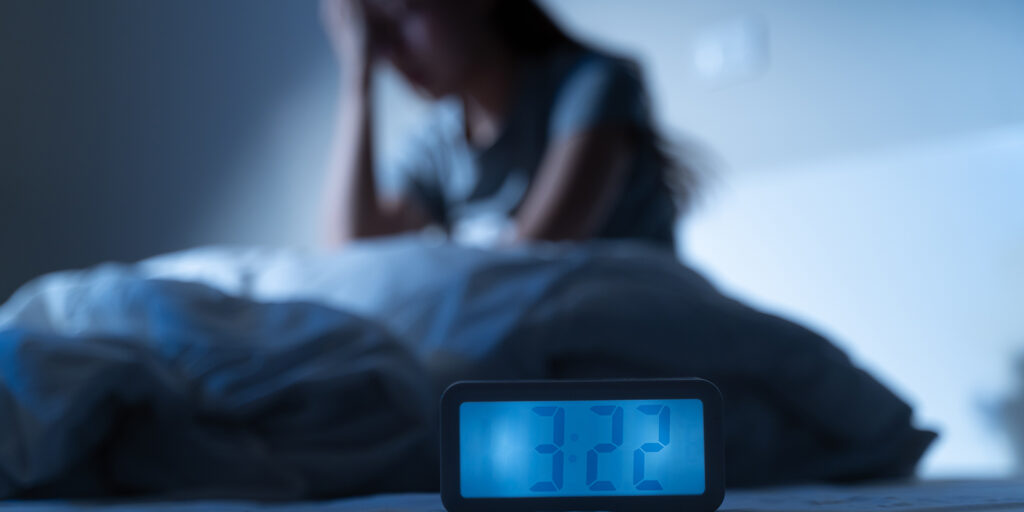
If you wake up at 3–5 AM and can’t go back to sleep, hormones may be involved.
4. Feeling Tired After Sleeping
Even after 7–8 hours of sleep, you may still feel exhausted.
👉 This is often connected to hormonal fatigue.
5. Restless or Light Sleep
Poor sleep quality can prevent your body from fully recovering overnight.
🔍 Why Hormonal Imbalance Disrupts Sleep
There are several underlying causes:
🔥 High Cortisol at Night
Your body should lower cortisol at night — but stress can keep it elevated.
🌙 Low Melatonin Production
Screen exposure, artificial light, and irregular routines reduce melatonin.
🍬 Blood Sugar Fluctuations
If your blood sugar drops at night, your body may wake you up.
🧬 Estrogen and Progesterone Imbalance
These hormones play a key role in calming the nervous system.
👉 To understand deeper causes, you can explore what causes hormonal imbalance.
🧠 Signs Your Sleep Issues Are Hormonal
You may be dealing with hormone-related sleep problems if:
you feel wired but tired at night
your sleep schedule feels inconsistent
you wake up frequently
you experience fatigue during the day
you have other symptoms like mood swings or weight changes
👉 You can also check the common signs of hormonal imbalance.
🌿 How to Fix Hormonal Sleep Problems Naturally
Here are proven strategies to improve your sleep by supporting hormone balance.
😴 1. Stick to a Consistent Sleep Schedule
Going to bed and waking up at the same time trains your body clock.
🌙 2. Reduce Light Exposure at Night
Avoid screens at least 1 hour before sleep.
🧘♀️ 3. Lower Stress Before Bed
Try:
deep breathing
meditation
journaling
🥗 4. Eat Balanced Meals
Avoid late-night sugar and processed foods.
☀️ 5. Get Morning Sunlight
This helps regulate melatonin production.
🏃♀️ 6. Move During the Day
Regular activity improves sleep quality.
🌿 7. Consider Natural Sleep Support
Some people notice that even after improving their sleep habits, they still struggle with falling asleep or staying asleep throughout the night.
In these cases, additional support options are sometimes considered — especially when stress, restlessness, or irregular sleep patterns are involved.
Natural sleep supplements are designed to support the body’s ability to relax, regulate nighttime hormones, and improve overall sleep quality when combined with healthy routines.
One option that is often mentioned in this context is:
4GreatSleep – Revolutionary Sleep Supplement

This type of supplement is typically formulated to:
support a more stable and natural sleep cycle
help reduce nighttime stress and mental restlessness
promote deeper and more restorative sleep
It’s important to note that results can vary, and supplements work best when used alongside consistent sleep habits and a healthy lifestyle.
🔎 Recommended Options
If you're exploring additional support, some supplements are designed to help with sleep quality and stress balance.
👉 Look for:
natural ingredients
transparent formulas
positive user feedback
👉 You can explore more details here:
Best Supplements for Hormonal Balance