🧠 Why You Wake Up at Night (Between 2–4 AM) and What It Really Means
Waking up in the middle of the night — especially around the same time — can feel confusing and frustrating.
You fall asleep just fine, but then suddenly your eyes open… and you’re wide awake.
If this happens often, it’s not random.
Your body is following patterns — and those patterns are usually connected to stress, hormones, or internal signals that are out of balance.
In this guide, you’ll learn why you wake up at night (especially between 2–4 AM) and what your body might be trying to tell you.
🌙 Why Do You Wake Up at the Same Time Every Night?
If you keep waking up at a similar time each night, your body is likely responding to a repeated trigger.
This could be:
stress patterns
blood sugar drops
hormonal signals
nervous system activation
Your body runs on cycles — and once a pattern is formed, it repeats.
⏰ The 2–4 AM Wake-Up Window (Most Common)
Many people report waking up between 2 AM and 4 AM.
This time window is important because:
👉 your body is:
at its lowest blood sugar level
highly sensitive to cortisol
transitioning between sleep cycles
Even small imbalances can wake you up.
🔍 6 Hidden Reasons You Wake Up at Night
🔥 1. Cortisol Spikes at Night
Your body should reduce cortisol while you sleep.
But if stress is high, cortisol can spike — even in the middle of the night.
This can:
wake you up suddenly
make your heart feel active
prevent you from falling back asleep
👉 This is strongly linked to hormonal fatigue.
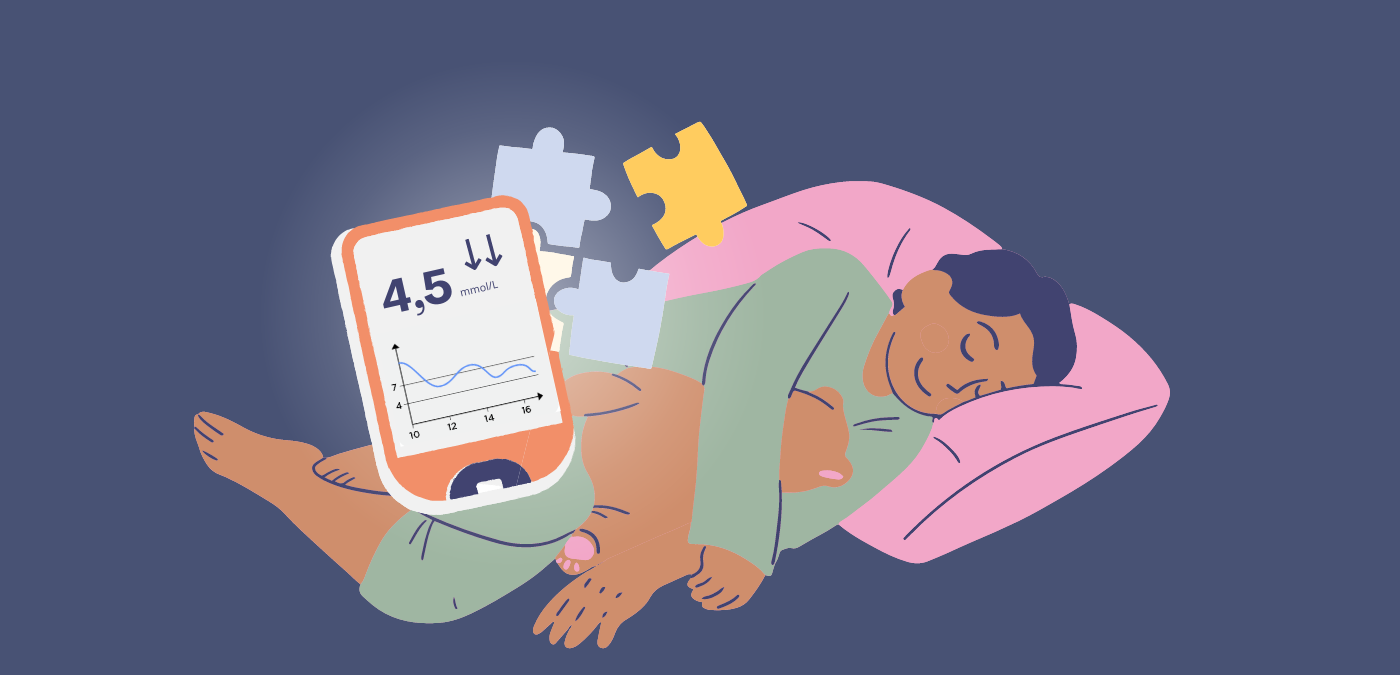
🍬 2. Blood Sugar Drops While You Sleep
During the night, your body uses stored energy.
If blood sugar drops too low:
your body releases stress hormones
your brain wakes you up
This is a very common cause — especially if:
you eat late
you eat high-sugar foods
🧠 3. Your Brain Switches Back “On”
Even during sleep, your brain is active.
If your mind is overloaded:
thoughts return
stress resurfaces
sleep breaks
This is why many people wake up thinking about problems.
🧬 4. Hormonal Imbalance
Hormones regulate your entire sleep cycle.
If they are out of sync:
your sleep becomes lighter
you wake up more easily
👉 Learn more here:
what causes hormonal imbalance
🛌 5. Your Sleep Cycle Naturally Ends
Your body cycles through sleep phases.
Sometimes you wake up simply because:
a cycle ended
your sleep is too light
Normally, you fall back asleep quickly — but if something is off, you stay awake.
🌙 6. Your Nervous System Is Overstimulated
If your body is in a constant “alert mode”:
even small triggers wake you up
relaxation becomes difficult
This is common in people with:
chronic stress
anxiety
overwork
🧠 Why You Can’t Fall Back Asleep
Waking up is one thing — staying awake is another.
You can’t fall back asleep because:
your mind becomes active
cortisol rises
your body exits sleep mode
👉 This connects to falling asleep faster.
🌿 How to Stop Waking Up at Night
🥗 1. Stabilize Your Evening Nutrition
Avoid:
sugar
heavy meals
Focus on balanced dinners.

🧘♀️ 2. Calm Your Nervous System Before Bed
Try:
breathing
light stretching
quiet time
😴 3. Keep a Consistent Sleep Schedule
Your body needs rhythm.
☀️ 4. Get Morning Sunlight
This resets your internal clock.
🧠 5. Reduce Mental Overload
Avoid:
late work
social media
intense thinking
🌿 6. Support Relaxation Naturally
Some people explore natural ways to support sleep consistency.
For example, magnesium is often used to support:
muscle relaxation
nervous system balance
deeper sleep
👉 Learn more here:
Best Magnesium for Sleep
🎧 7. Support Mental Relaxation (Audio-Based)
If your main issue is a racing mind, audio-based relaxation may help.
Some people use binaural beats to:
reduce mental activity
support deeper relaxation
improve sleep consistency

🧩 When Should You Be Concerned?
If you:
wake up every night
feel exhausted daily
can't function normally
👉 it’s time to look deeper.