How Stress Affects Your Body (10 Warning Signs You Should Know)
Stress is a natural part of life, but when it becomes constant, it can have serious effects on your body.
Many people think stress is only a mental issue. In reality, it affects almost every system in your body — from your heart to your digestion, immune system, and even your hormones.
If left unmanaged, chronic stress can lead to long-term health problems that impact your quality of life.
In this article, you’ll discover how stress affects your body, the warning signs you should never ignore, and what you can do to protect yourself.
1. Increased Heart Rate and Blood Pressure
When you’re stressed, your body releases adrenaline and cortisol.
These hormones prepare you for immediate action by increasing your heart rate and blood pressure.
While this response is helpful in short situations, chronic stress keeps your body in this state for too long.
Over time, this may increase the risk of heart disease and other cardiovascular problems.
2. Muscle Tension and Pain
Stress causes your muscles to tighten as a protective response.
However, when stress becomes constant, muscles remain tense for long periods, leading to discomfort.
Common symptoms include:
neck pain
shoulder stiffness
tension headaches
Many people don’t realize their physical pain is actually stress-related.

3. Digestive Problems
Your digestive system is highly sensitive to stress.
When your body is under pressure, it shifts energy away from digestion.
This can lead to:
stomach discomfort
bloating
changes in appetite
irritable bowel symptoms
Stress can also disrupt gut bacteria, which plays a key role in your overall health.
4. Sleep Disruptions
Stress and sleep are closely connected.
High stress levels can make it difficult to:
fall asleep
stay asleep
wake up feeling rested
This creates a cycle where poor sleep increases stress, and stress worsens sleep quality.
5. Weakened Immune System
Chronic stress can weaken your immune system.
When your body is constantly in a stressed state, it becomes less effective at fighting infections.
You may notice:
getting sick more often
slower recovery
feeling run-down
This is a clear sign your body is under continuous pressure.
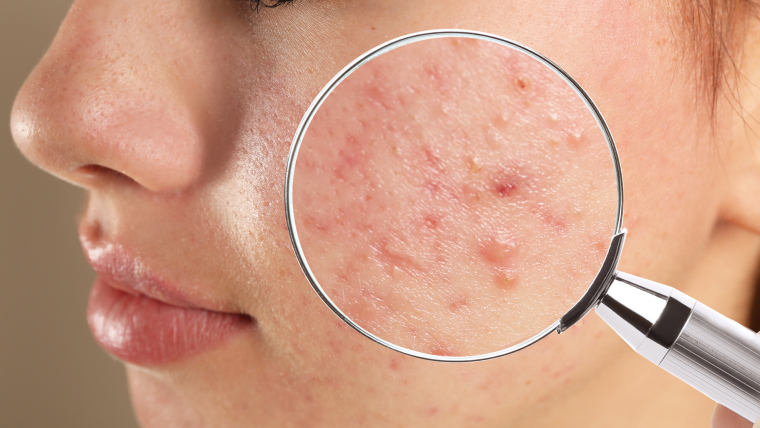
6. Skin Problems
Your skin can reflect your internal stress levels.
Stress increases inflammation, which can trigger or worsen conditions such as:
acne
eczema
skin sensitivity
Taking care of your stress can often improve your skin health as well.
7. Hormonal Imbalance
Stress directly affects your hormone levels, especially cortisol.
When cortisol remains high for long periods, it can disrupt your body’s balance.
This may lead to:
fatigue
mood swings
weight changes
low energy
Hormonal imbalance is one of the most overlooked effects of chronic stress.
8. Fatigue and Low Energy
Even without physical activity, stress can leave you feeling exhausted.
Your body is constantly in a high-alert state, which drains your energy.
Over time, this can lead to burnout and lack of motivation.
9. Difficulty Concentrating
Stress affects your brain’s ability to function properly.
You may experience:
brain fog
forgetfulness
difficulty focusing
poor decision-making
This can impact both your work and personal life.
10. Increased Anxiety and Mood Changes
Chronic stress often leads to emotional changes.
You may feel:
irritable
anxious
overwhelmed
If ignored, this can develop into more serious mental health conditions.
👉 If you want to recognize early symptoms, check:
7 Signs of High Stress in Adults You Should Not Ignore
Long-Term Effects of Stress on the Body
If stress continues for months or years, it can lead to more serious health problems.
These may include:
heart disease
digestive disorders
chronic fatigue
weakened immune response
Long-term stress can also accelerate aging and reduce your overall quality of life.
Understanding these risks is essential for taking action early.
How to Help Your Body Recover from Stress
The good news is that your body can recover from stress if you support it properly.
Start with simple habits:
get enough quality sleep
move your body regularly
spend time outdoors
reduce caffeine intake
limit screen time
Even small changes can help regulate your nervous system and restore balance.
👉 For a complete guide, read:
How to Reduce Stress Naturally: 7 Proven Ways That Actually Work
Final Thoughts
Stress is not just in your mind — it affects your entire body.
By understanding how stress impacts your physical health, you can take early steps to protect yourself.
The key is not to eliminate stress completely, but to manage it in a healthier way.
Small daily habits can make a powerful difference over time.
Want to Understand Your Stress Level Better?
Take our quick 2-minute health quiz to discover your stress level and get a personalized 7-day plan tailored to your needs.