How to Reduce Stress Naturally: 7 Proven Ways That Actually Work
Stress is a natural response to challenges in life, but when it becomes constant, it can take a serious toll on your mental and physical health. Many people rely on quick fixes, but natural methods can be just as effective — and much more sustainable in the long run.
The key to reducing stress naturally is not making drastic changes overnight. Instead, it is about building small, consistent habits that help your body and mind return to balance.
Below are 7 proven ways to reduce stress naturally and improve your overall well-being.
If you're not sure whether you're experiencing too much stress, it's important to understand the signs of high stress in adults.
1. Practice Deep Breathing
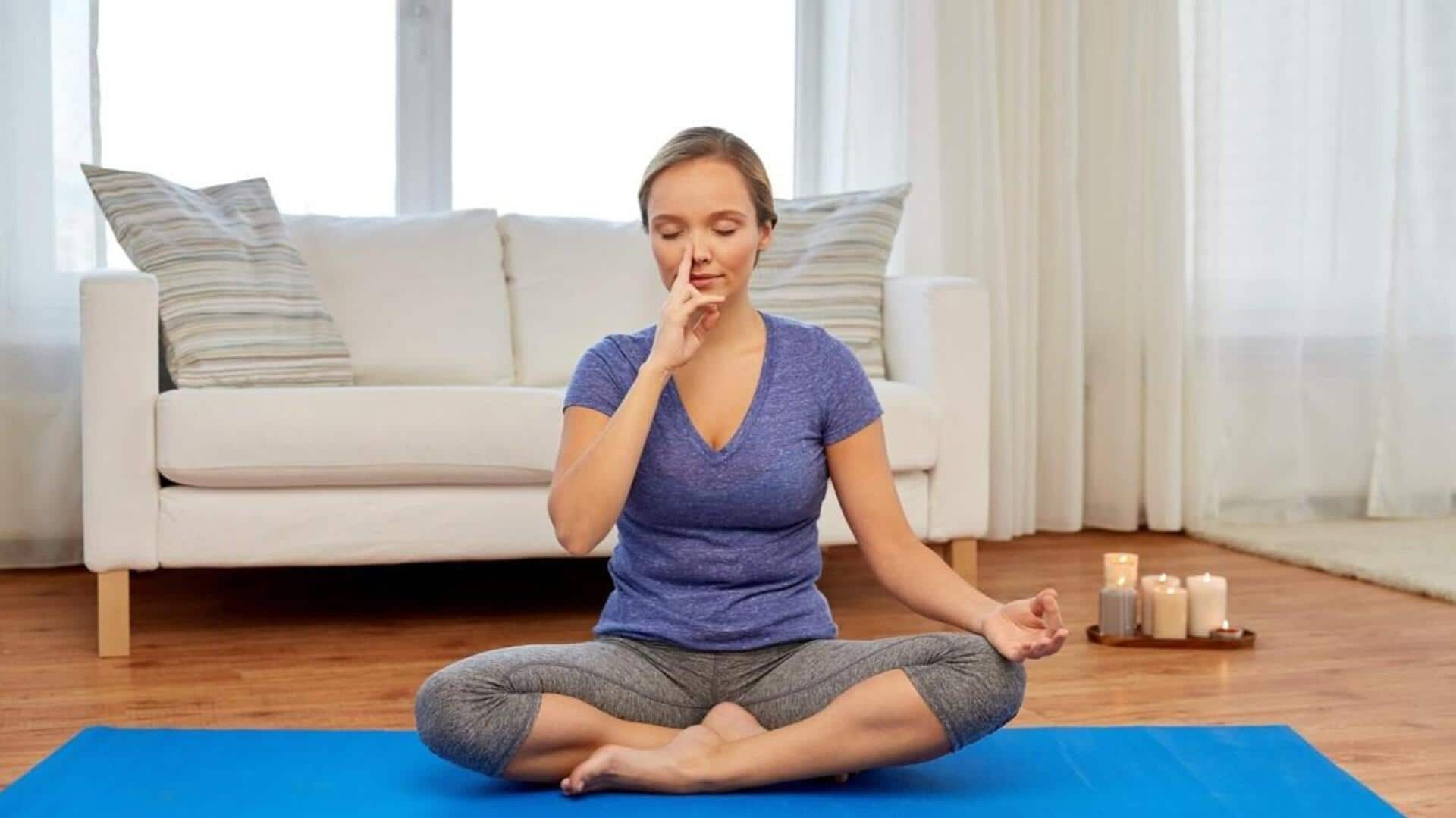
One of the fastest and most effective ways to reduce stress is through deep breathing.
When you feel stressed, your body enters a “fight or flight” mode. Your breathing becomes shallow and fast, which signals your brain that something is wrong. Deep breathing does the opposite — it tells your body that you are safe.
Try this simple breathing technique:
Inhale slowly for 4 seconds
Hold your breath for 4 seconds
Exhale slowly for 6 seconds
Repeat this cycle for 2–5 minutes. You will often notice your heart rate slowing down and your mind becoming calmer.
Practicing this daily can significantly improve your stress response over time.
2. Move Your Body Regularly
Physical activity is one of the most powerful natural stress relievers.
When you move your body, your brain releases endorphins — chemicals that improve mood and reduce stress. Exercise also helps release built-up tension in your muscles.
You do not need to spend hours in the gym. Simple activities can be very effective:
Walking for 20–30 minutes
Light stretching
Home workouts
Yoga or mobility exercises
The goal is consistency, not intensity. Even small daily movement can have a big impact on your stress levels.
3. Improve Your Sleep Quality
Sleep and stress are deeply connected.
Lack of sleep increases stress hormones, while high stress makes it harder to fall asleep. This creates a cycle that can be difficult to break.
To improve your sleep naturally:
Go to bed and wake up at the same time every day
Avoid screens at least 1–2 hours before sleep
Keep your room dark and cool
Reduce caffeine intake in the afternoon
Better sleep helps your body recover and improves your ability to handle stress during the day.
4. Reduce Caffeine and Sugar Intake
Caffeine and sugar can increase your stress levels more than you might realize.
While caffeine can boost energy, too much of it can make you feel anxious, restless, and tense. Sugar can cause energy spikes followed by crashes, which can affect your mood and increase irritability.
If you often feel overwhelmed or anxious, try:
Reducing coffee intake gradually
Switching to herbal tea
Limiting sugary snacks
Small dietary changes can lead to noticeable improvements in how you feel.
5. Spend Time in Nature
Nature has a calming effect on both the body and the mind.
Spending time outdoors can lower cortisol levels (the stress hormone) and improve mood. Even short exposure to fresh air and sunlight can help reset your mental state.
You can start with simple habits:
Take a walk outside during breaks
Sit in a park for 10–15 minutes
Get sunlight in the morning
These small actions can significantly reduce daily stress levels.
6. Limit Screen Time and Digital Overload
Constant exposure to screens can overwhelm your brain.
Notifications, social media, and endless information keep your mind in a constant state of stimulation. This can increase stress, reduce focus, and make it harder to relax.
To reduce digital stress:
Take short breaks from screens every hour
Avoid using your phone before bed
Set limits on social media use
Giving your brain time to disconnect is essential for long-term mental balance.

7. Build Small, Consistent Habits
You do not need to change everything at once.
The most effective way to reduce stress naturally is by building small, sustainable habits. Trying to do too much at once can actually increase stress.
Start with one or two simple habits:
5 minutes of breathing exercises
A short daily walk
Drinking more water
Going to bed slightly earlier
Over time, these small changes add up and create a powerful impact on your overall health.
Why Natural Stress Management Works
Natural methods work because they support your body instead of forcing it.
Unlike quick fixes, these habits improve your long-term ability to handle stress. They help regulate your nervous system, improve sleep, and balance your energy levels.
The goal is not to eliminate stress completely — that is impossible. The goal is to manage it in a healthier way.
Final Thoughts
Stress is a part of life, but it does not have to control you.
By making small, consistent changes, you can reduce stress naturally and improve both your mental and physical health. The key is to focus on simple habits and stick with them over time.
If you are not sure how your current lifestyle is affecting your stress level, taking a closer look at your daily habits can be a powerful first step.
Want to Understand Your Stress Level Better?
Take our quick 2-minute health quiz to discover your stress level and get a personalized 7-day plan tailored to your needs.