Magnesium Deficiency: Why You Feel Tired, Anxious, and Can’t Sleep
Tons of people facing with a lot of issue in their regular life . Anxiety , low energy or restlessness are most know issues for our part of life . But if you look deeply after all of those problems There is a big actor called Magnesium . Magnesium deficeny is in of the most overlooked causes of fatigue,poor sleep,and constant stress which is big percentage of what lower our life quality. Magnesium has a very crictical role for our body to relax , recoverand maneges the stress.
Therefore we should keep the magnesium levels in our body always as it recommended (400-420mgMan 310-320mgWomen)and if it needed magnesium support has a key role for maintaining our magnesium levels.
😴 Why Is Magnesium So Important For Our Health
Magnesium is involved in over 300 processes in your body.
Topics that it helps with:
sleep and migraine 😴
stress response 😵
muscle relaxation 💪
nervous system balance 🧠
energy production ⚡
blood sugar 🫀
Magnesium deficiency prolongs your body's healing process.
⚠️ Common Symptoms of Magnesium Deficiency
Magnesium deficiency doesn’t always show up clearly — but your body gives signals.
Common signs include:
trouble falling asleep 😴
waking up during the night
feeling tired even after sleeping
anxiety or inner tension 😵
muscle cramps or twitching
headaches
irritability
low stress tolerance
eye twitching
vomiting
👉 One of the biggest signs:
You feel tired… but can’t relax.
😵 Magnesium and Stress
Magnesium plays a key role in calming your nervous system.
When magnesium levels are low:
stress feels stronger
recovery takes longer
your body stays in “alert mode”
Negative results:
constant tension
feeling overwhelmed
difficulty relaxing
👉 It becomes a loop:
stress → magnesium depletion → more stress
😴 Magnesium and Sleep
Magnesium helps your body relax and prepare for sleep.
Low levels may lead to:
difficulty falling asleep
light or interrupted sleep
waking up tired
👉 If your mind keeps racing at night, magnesium could be a factor.

🔍 What Factors Cause Magnesium Deficiency?
🍔 1. Low Magnesium Intake
Modern diets often lack magnesium-rich foods.
Common sources include:
leafy greens 🥬
nuts and seeds 🥜
legumes
whole foods
If your diet is low in these, intake may be insufficient.
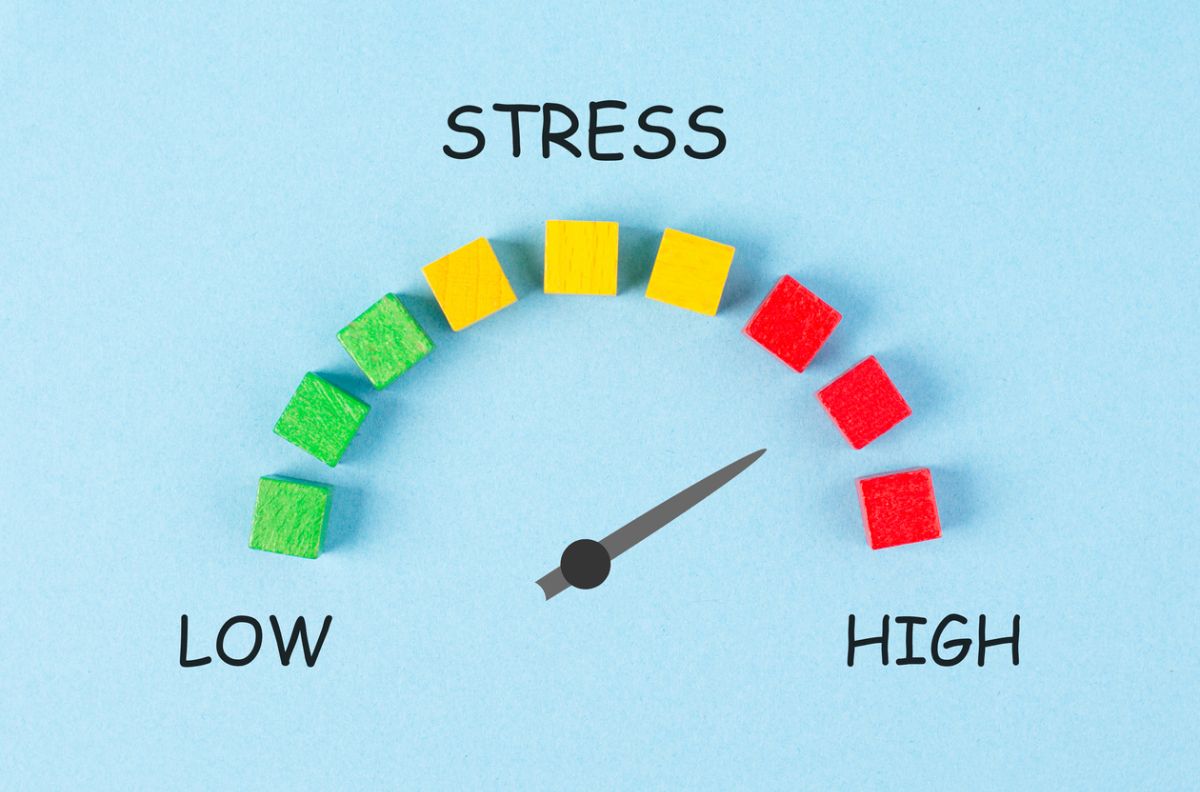
⚡ 2. High Stress Levels
Stress increases magnesium usage.
The more stressed you are, the more magnesium your body uses.
🏃 3. Active Lifestyle
Exercise increases magnesium needs.
Without proper intake, levels may drop over time.
☕ 4. Lifestyle Habits
Certain habits may contribute:
high caffeine intake
alcohol
poor sleep patterns
🔗 Magnesium and Other Deficiencies
Magnesium doesn’t work alone.
It supports other nutrients like:
vitamin D ☀️
overall nutrient balance
👉 If you want a bigger picture, check our guide on vitamin deficiency.
🔧 How to Support Magnesium Levels
🥗 1. Improve Your Diet
Include more magnesium-rich foods:
spinach
almonds
pumpkin seeds
dark chocolate
💊 2. Consider Supplementation
Some people choose to support magnesium intake with supplements, especially when dealing with stress or sleep issues.
One popular option is Magnesium Breakthrough, which combines multiple forms of magnesium designed to support relaxation, deeper sleep, and overall recovery.
⏳ How Long Does It Take to Work?
Some people notice improvements in:
sleep quality
stress levels
relaxation
within a few weeks.
Consistency matters more than dosage.
🚨 Common Mistakes
ignoring sleep problems
relying only on caffeine
not addressing stress
expecting instant results
✅ Simple Habits That Help
eat more whole foods
reduce stress where possible
improve sleep routine
stay consistent