Vitamin B12 Deficiency: Symptoms, Brain Fog, and Low Energy Explained
Low energy, brain fog, and decreased mental clarity are among the main causes of vitamin B12 deficiency. 🧠⚡
When people feel tired, have trouble concentrating, and feel mentally confused, they think the cause is sleep and stress.
However, vitamin B12 deficiency plays a significant role in such cases.
Vitamin B12 plays a positive role in nervous system and brain health, blood cell production, DNA synthesis, energy production, and homocysteine balance. When vitamin B12 levels drop, our body struggles to cope.
🧠 What Is Vitamin B12 and Why Is It Important?
Vitamin B12 is an essential nutrient that helps your body:
DNA synthesis and cell regeneration 🩸
support nerve function
maintain brain health 🧠
convert food into energy ⚡
Homocysteine Balance 🫀
Unlike many other vitamins, B12 is found in animal-derived foods (meat, eggs, milk).
⚠️ Common Symptoms of Vitamin B12 Deficiency
Vitamin B12 deficiency often develops slowly, which makes it easy to miss at first.
Here are some of the most common symptoms:
Persistent fatigue or weakness ⚡
Brain fog and poor concentration 🧠
Memory issues
Tingling or numbness in hands and feet
Mood changes or irritability 😵
Dizziness or lightheadedness
Pale or slightly yellowish skin
Shortness of breath
mouth sores
loss of appetite and weight loss
eye problems
nausea
hair loss
shivering
👉 One of the most noticeable signs is mental fatigue — feeling like your brain is slower than usual.
🧠 Why B12 Deficiency Causes Brain Fog
Vitamin B12 plays a key role in nerve signaling and brain function.
When levels are low:
communication between brain cells becomes less efficient
mental clarity decreases
focus and memory may suffer
This is why many people describe B12 deficiency as:
👉 “I feel mentally slow”
👉 “I can’t focus like before”
If you’re dealing with brain fog regularly, B12 is definitely worth considering.
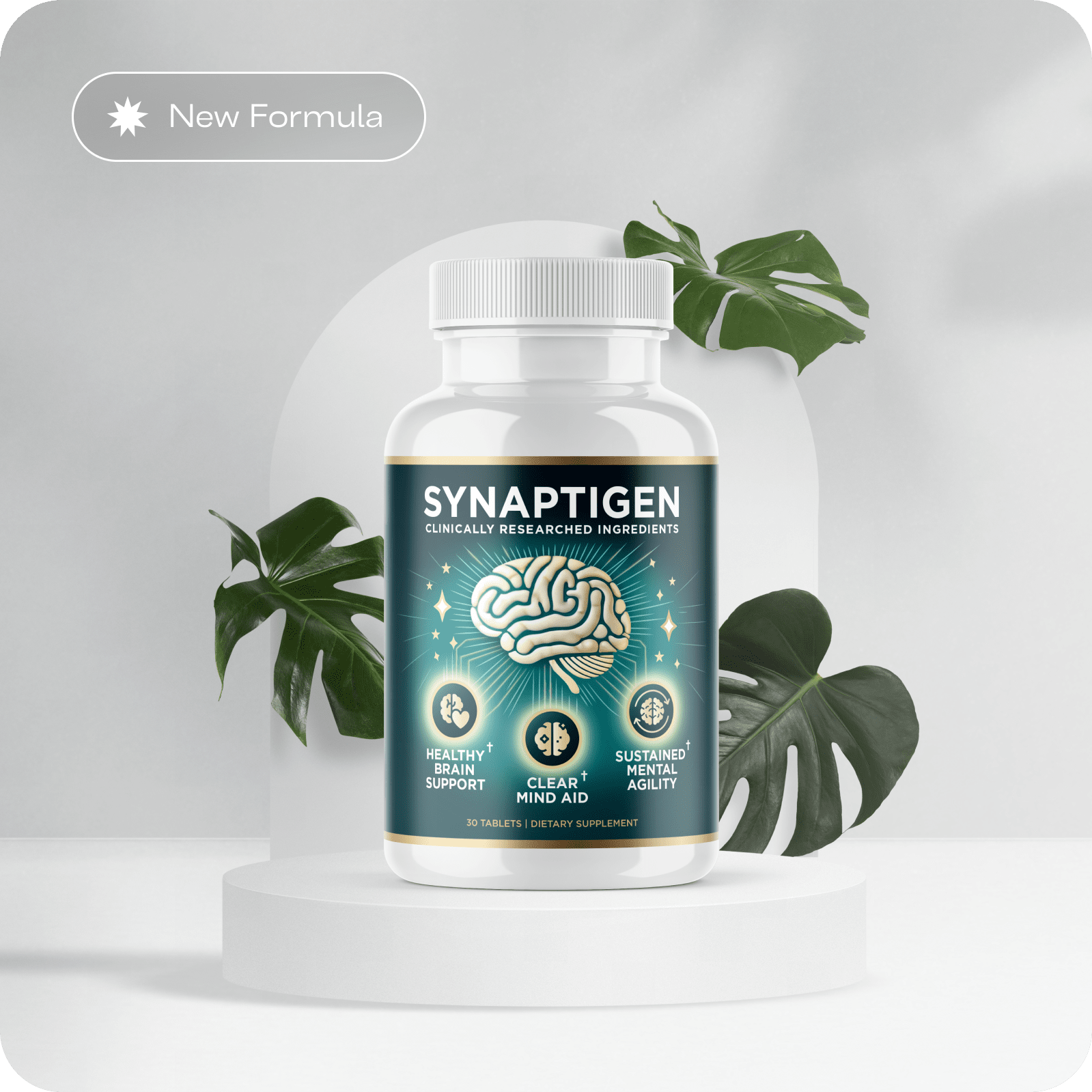
Some people who struggle with brain fog, focus issues, or mental fatigue choose to support their cognitive function with targeted supplements.
One option that is often mentioned in this context is Synaptigen, a formula designed to support memory, focus, and mental clarity.
🔍 What Causes Vitamin B12 Deficiency?
There are several reasons why B12 levels may drop.
🥩 1. Low Intake of Animal Foods
Since B12 is mainly found in animal products, people who avoid them may be at higher risk.
This includes:
vegetarians
vegans
people with very low meat intake
🧬 2. Poor Absorption
Even if you eat enough B12, your body may not absorb it properly.
This can happen due to:
digestive issues
low stomach acid
gut health problems
Because of this, some people also look into supporting their gut health as part of improving nutrient absorption.
In that context, certain supplements such as GutOptim are sometimes used to support digestion and overall gut function.

💊 3. Certain Medications
Some medications can interfere with B12 absorption over time.
👴 4. Aging
As people age, the ability to absorb B12 often decreases.
⚡ B12 and Energy Levels
Vitamin B12 is directly involved in how your body produces energy.
Low levels can lead to:
constant tiredness
lack of motivation
feeling physically weak
👉 This is why B12 deficiency is often mistaken for burnout or stress.
🔗 How B12 Deficiency Connects to Other Nutrients
Vitamin B12 doesn’t work alone.
It is closely linked with other nutrients such as:
iron 🩸
folate
magnesium
For example:
low iron → reduces oxygen delivery
low B12 → affects energy production
👉 If you want a broader view, check our guide on vitamin deficiency, where we explain how different nutrients interact.
🧪 How to Know If You’re Deficient
The most reliable way is through a blood test.
However, you might consider testing if you experience:
ongoing fatigue
brain fog
numbness or tingling
low energy despite good sleep
👉 These signs often point toward deeper issues, including B12 deficiency.
🔧 How to Support Healthy B12 Levels
Improving B12 levels usually involves a combination of diet and, in some cases, supplementation.
🥗 1. Improve Your Diet
Include B12-rich foods such as:
meat
fish
eggs
dairy
If you avoid animal products, you may need to be more intentional about your intake.
💊 2. Consider Supplements
Some people choose to use B12 supplements, especially if:
their diet is low in B12
absorption is an issue
Consistency is more important than taking large amounts occasionally.
🧠 3. Support Overall Nutrition
B12 works together with other nutrients.
For example:
magnesium supports nervous system balance
iron supports oxygen delivery
👉 That’s why addressing overall nutrition often works better than focusing on one nutrient alone.
⏳ How Long Does It Take to Improve?
Recovery time depends on how low your levels are.
Some people notice:
improved energy
better focus
within a few weeks.
For others, it may take longer.
👉 Consistency is key.
🚨 Common Mistakes to Avoid
Ignoring symptoms for too long
Assuming fatigue is only due to stress
Taking random supplements without understanding your needs
Not addressing diet and lifestyle
✅ Simple Habits That Help
eat balanced meals regularly
include B12-rich foods
pay attention to mental clarity
support overall nutrient intake
Small changes can make a big difference over time.